
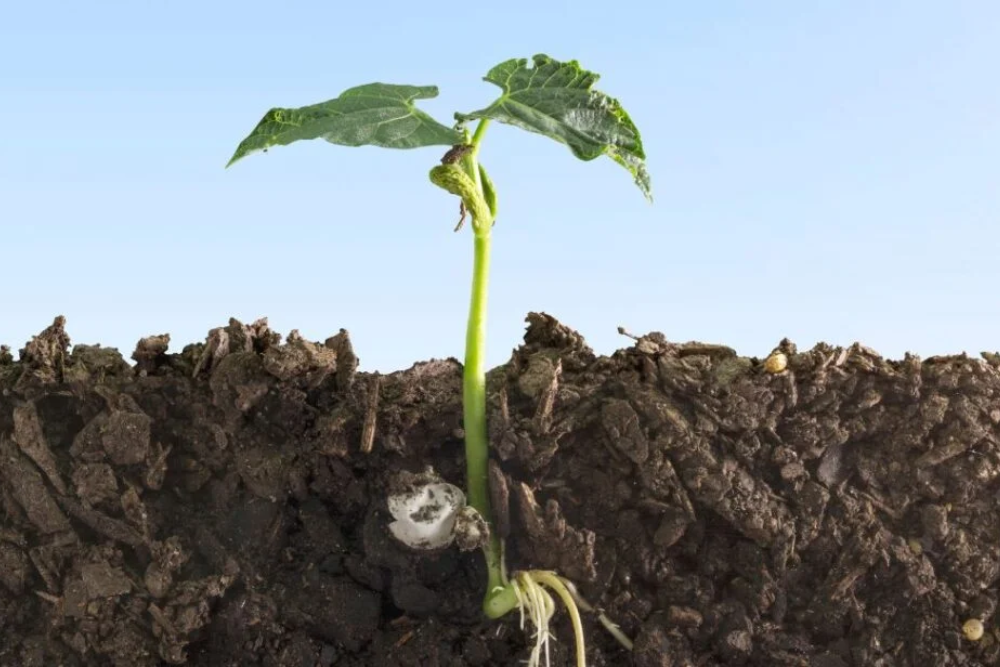
Properly composted cow manure is one of the most valuable organic fertilizers for sustainable farming and gardening. Once fully decomposed, it supplies essential nutrients, improves soil fertility, enhances microbial activity, and supports healthy plant growth without leaving harmful chemical residues.
🌿 Nutrient-Rich 3-2-1 NPK Profile
Cow manure naturally contains a balanced 3-2-1 NPK ratio, providing plants with the three essential nutrients required for healthy development.
- Nitrogen (3%) – Promotes healthy leaf growth and supports protein production.
- Phosphorus (2%) – Encourages strong roots, flowering, seed formation, and fruit development.
- Potassium (1%) – Improves water regulation, strengthens plants, and enhances overall growth.
🌱 Benefits for Plant Health
- Provides essential nutrients including calcium, magnesium, sulfur, iron, zinc, copper, manganese, and other trace minerals required for healthy plant development.
- Improves flowering, fruit production, crop quality, and overall yield through balanced nutrient availability.
- Supports stronger plant growth while increasing the shelf life and quality of harvested fruits and vegetables.
- When incorporated into the soil, composted cow manure may help discourage certain insects and rodents through its natural odor.
🌾 Benefits for Soil Health
- Improves Soil Structure: Increases organic matter and humus, making soil loose, fertile, and resistant to degradation.
- Enhances Microbial Activity: Feeds beneficial bacteria and fungi that naturally break down organic matter and release nutrients.
- Slow Nutrient Release: Supplies nutrients gradually, reducing nutrient loss through leaching and ensuring long-lasting fertility.
- Balances Soil Conditions: Helps maintain moisture, supports balanced soil pH, and creates an ideal environment for healthy root growth.
✅ Conclusion
Properly composted cow manure is a complete natural soil conditioner that benefits both plants and soil. Its balanced nutrients, organic matter, and beneficial microorganisms improve soil fertility, strengthen root systems, encourage healthy crop growth, and support sustainable agriculture. Regular use helps build healthier soil while producing stronger, higher-quality crops season after season.