
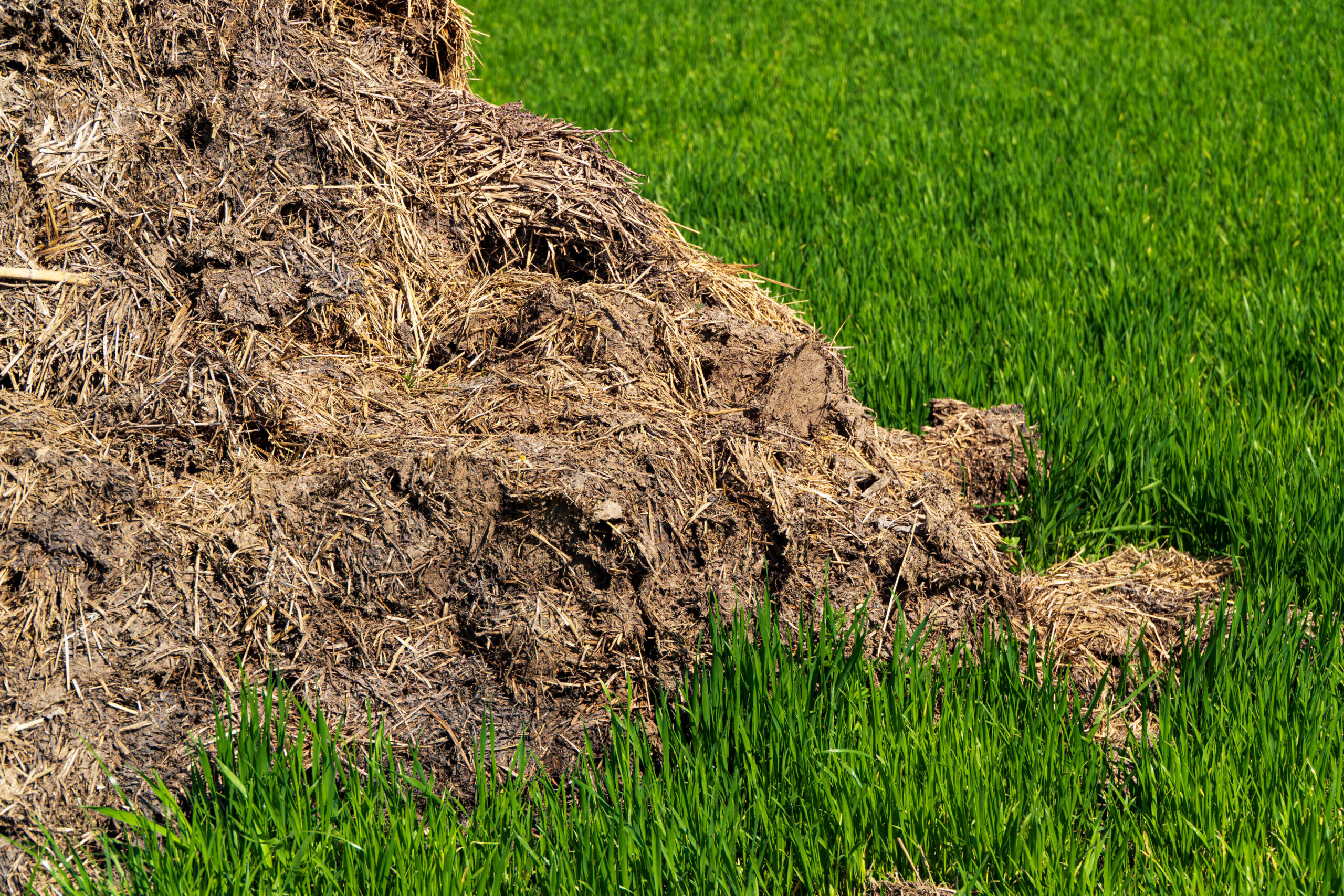
The environmental impacts of using cow dung are complex and largely depend on how the manure is managed and processed. While it offers significant benefits for sustainable agriculture, improper handling can lead to serious ecological harm.
🌿 Positive Environmental Impacts
- Reduces Chemical Dependency: Using organic cow manure decreases reliance on synthetic fertilizers, leaving no harmful chemical residues in the soil or on crops.
- Soil Regeneration and Sustainability: As a biodegradable material, cow dung naturally improves soil structure, enhances microbial activity, builds humus, prevents soil degradation, and supports long-term agricultural sustainability.
- Carbon Sequestration: Enriched cow dung products support climate-friendly farming practices by helping store carbon within the soil instead of releasing it into the atmosphere.
- Renewable Energy Generation: Through anaerobic digestion in sealed biogas systems, cow waste produces renewable biogas for cooking and heating while reducing landfill waste.
⚠️ Negative Environmental Risks
- Greenhouse Gas Emissions: Poorly managed manure releases methane and carbon dioxide. Open-air composting allows methane to escape directly into the atmosphere, contributing to climate change.
- Water and Soil Contamination: Fresh cow dung contains ammonia and harmful pathogens such as E. coli. Improper storage or application can contaminate nearby rivers, lakes, groundwater, and agricultural soil.
✅ The Takeaway
The environmental impact of cow dung depends primarily on its decomposition method. While open-air composting creates valuable organic fertilizer, it still releases methane into the atmosphere. Sealed anaerobic digestion (biogas systems) captures this methane for renewable household energy while reducing greenhouse gas emissions and safely neutralizing harmful pathogens.